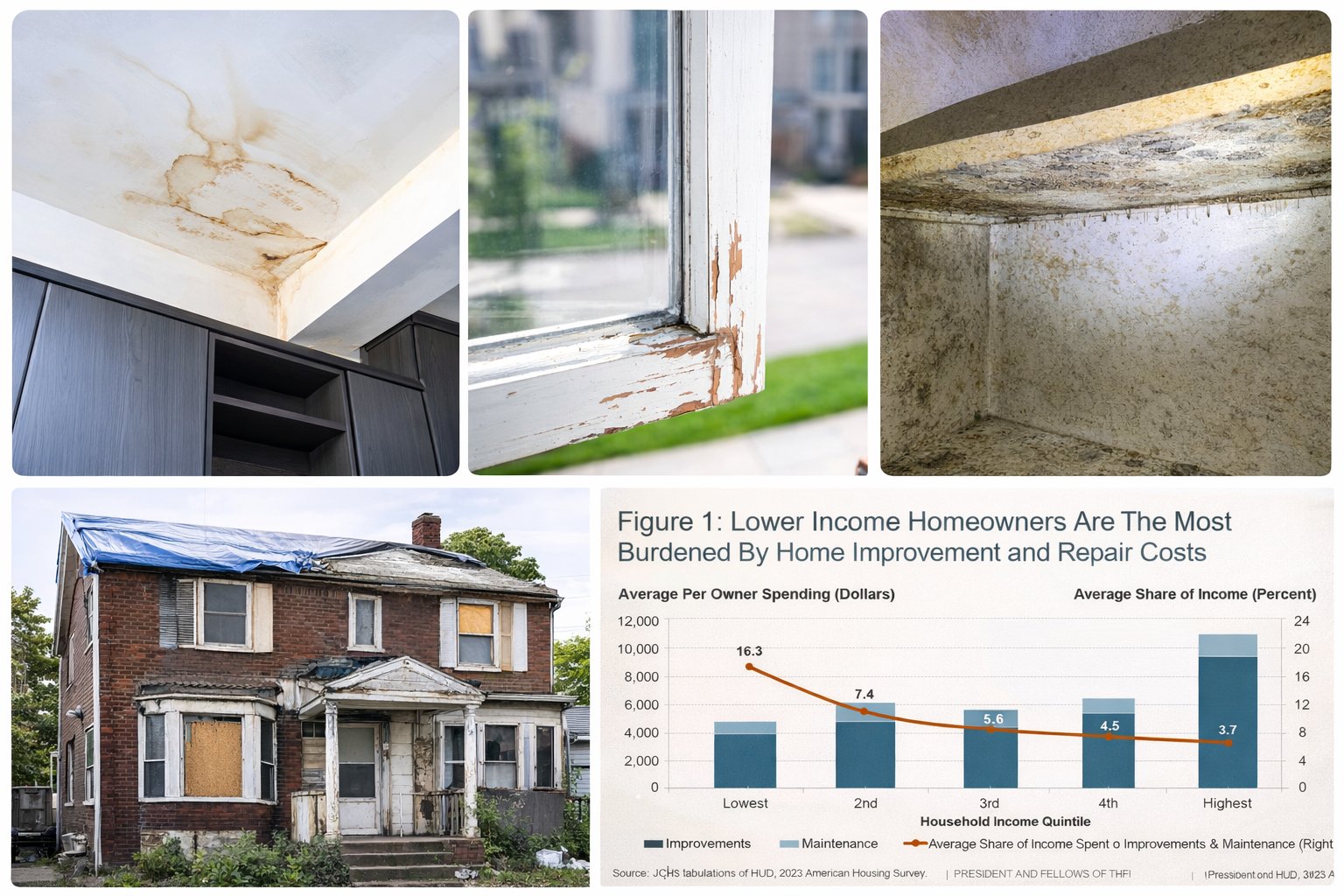
The Shifting Science of Crawlspace Ventilation: From Vents to Conditioning
Mold Prevention and Moisture Control: The Critical Role of Vapor Barriers in Maryland Crawlspaces.
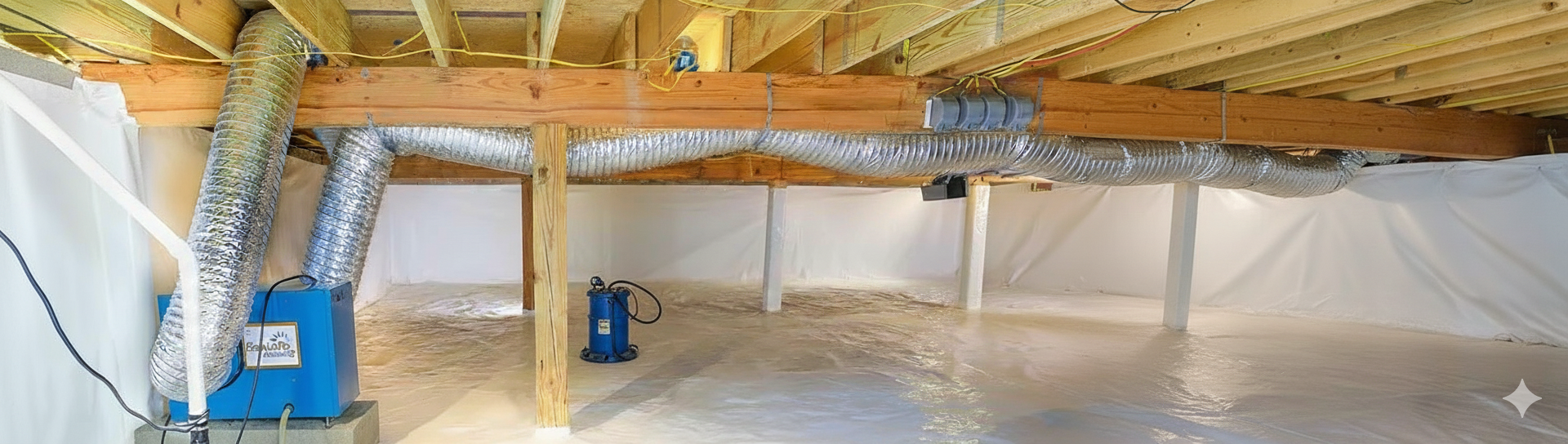
For decades, the traditional approach to crawlspaces relied on ventilation—using outside air to dry out the space. However, in the climate of Montgomery County, Maryland, this practice often fails, as the region experiences warm, humid summers and high annual precipitation. Modern building science now points toward a different, more effective set of best practices: sealing and conditioning the crawlspace. Understanding this shift is key to protecting your home's health and efficiency.
The Pitfalls of Traditional Vents in a Humid Mid-Atlantic Climate
The climate of Montgomery County, characterized by high summer humidity (often exceeding 65% relative humidity), means ventilation actively introduces problems, directly impacting the integrity of your home and the health of its occupants.
1. The Moisture-Mold Cycle
In the summer, when the outside air is warm and moisture-laden, ventilation draws this air into a naturally cooler crawlspace. When this air meets the cold foundation walls, ductwork, or framing, it triggers condensation. This cycle creates and sustains the high humidity levels (above 60%) that are the ideal catalyst for mold and mildew growth on wood structures, leading to structural decay and musty odors common in many older homes in the county.
2. Indoor Air Quality and the Stack Effect
Air from your crawlspace doesn't stay put; it rises into your living areas via a process called the "stack effect." Up to 50% of the air you breathe on the first floor can originate below. If the crawlspace contains high concentrations of mold spores, allergens, or odors (a particular concern in Montgomery County due to the summer humidity), these contaminants are drawn directly into your home, negatively impacting health and comfort.
3. Pest Infestation
A dark, damp crawlspace with unsealed vents and penetrations is an invitation for pests, including rodents, insects, and termites. By controlling the moisture, you make the environment far less hospitable to these destructive intruders.
Recommended Best Practices for Montgomery County Homes: The Unvented Solution
Leading building science authorities and local experts now recommend treating the crawlspace as a controlled, unvented part of the home's thermal and moisture envelope. This approach aligns with the flexibility offered by modern building codes (such as the International Residential Code, adopted in Maryland), which allow for conditioned crawlspaces as an alternative to venting. This is achieved through a set of integrated practices:
1. Moisture Control and Vapor Barriers
The most critical step is managing ground moisture. Best practice calls for installing a heavy-duty vapor barrier (10-mil or greater cross-laminated polyethylene is common) over the entire soil floor. This barrier must be meticulously sealed at all seams, securely fastened, and sealed to the foundation walls to create a continuous, air-tight seal that prevents soil moisture from evaporating into the space.
2. Air Sealing and Closing Vents
All intentional openings, such as foundation vents, should be permanently blocked and sealed. Simultaneously, all penetrations and cracks in the foundation and the floor structure (rim joists, plumbing, wiring) must be air-sealed to prevent unconditioned outdoor air and soil gases (like radon) from entering the home.
3. Strategic Insulation
Insulation should be moved from the floor joists to the interior foundation walls. Utilizing non-permeable, moisture-resistant insulation—such as rigid foam boards or closed-cell spray foam—on the walls and rim joists keeps the crawlspace temperature stable and helps prevent condensation on structural components, while protecting the home from the Mid-Atlantic's winter cold.
4. Air Conditioning and Dehumidification
Once sealed and insulated, the space requires a mechanical means of drying to maintain a stable, low relative humidity (ideally below 55%) year-round. Recommended solutions include:
- Introducing a small amount of conditioned air from the home’s HVAC system.
- Installing a dedicated, commercial-grade dehumidifier that drains automatically. This is often the most effective solution for the high summer humidity in Montgomery County.
Protect Your Home. Protect Your Health.
Properly managing your crawlspace is essential for the long-term durability of your home, lower energy costs, and the health of your family. If you have noticed musty odors, high humidity, recurring pest issues, or symptoms of moisture-related decay, it’s time to move beyond the old methods.
Home Health Solutions specializes in converting problematic crawlspaces into clean, dry, conditioned environments right here in Montgomery County, MD. Our services include:
- Comprehensive Mold Remediation
- Expert Vapor Barrier Installation (Encapsulation)
- Energy-efficient Insulation and Air Sealing
Contact Home Health Solutions today for an assessment and to discuss how our certified services can bring your crawlspace up to the modern standard of best practices.
References
- Building Science Corporation. BSI-115: Crawlspaces: Either/Or Out. buildingscience.com/documents/building-science-insights-newsletters/bsi-115-crawlspaces-either-or-out
- ENERGY STAR. Guide to Closing and Conditioning Ventilated Crawlspaces. energystar.gov/sites/default/files/asset/document/Guide%20to%20Closing%20and%20Conditioning%20Ventilated%20Crawlspaces.pdf
- Maryland Building Performance Standards (MBPS). References the adoption of the International Residential Code (IRC), which outlines acceptable methods for unvented, conditioned crawlspaces.