The Dangerous Myth: Why Your Home’s Age is Not an Asbestos-Free Guarantee
If you own a home built after the early 1980s, you might breathe a sigh of relief, assuming your property is safe from the specter of asbestos. After all, the public generally believes asbestos was banned decades ago.
Unfortunately, this common assumption is a dangerous myth.
The history of asbestos regulation in the United States is fragmented and confusing, leaving millions of homeowners living with materials that still contain asbestos. If you are planning a renovation, you need to understand why your home’s construction date may be irrelevant and why testing is the only path to safety.
The Misleading Date: What the “1980 Cut-Off” Really Means
The root of the widespread misconception lies in a key date used by occupational and safety regulators: 1980.
You may hear that materials in buildings constructed no later than 1980 are “Presumed Asbestos-Containing Material” (PACM). This is a crucial guideline for contractors and maintenance workers, particularly regarding thermal system insulation and asphalt or vinyl flooring materials. It means if they find certain materials in an older structure, they must assume it contains asbestos and use safety protocols unless testing proves otherwise.
Surprisingly, this date was never a sign that all asbestos use had stopped. It was a regulatory trigger for worker safety in existing older structures, not a comprehensive ban. In fact, many high-volume products continued to be legally manufactured and sold for years afterward.
The Legal Loophole That Kept Asbestos on Store Shelves
The reason asbestos-containing materials (ACMs) continued to enter homes long after the 1980s is due to a pivotal legal battle in the early 1990s.
In 1989, the U.S. Environmental Protection Agency (EPA) attempted to issue a sweeping ban on nearly all asbestos products. However, just two years later, a federal court overturned most of this prohibition. The court's decision essentially told the EPA that it hadn't proven the comprehensive ban was the "least burdensome" way to protect public health.
This ruling ended the nationwide ban. While a handful of products remained prohibited (like certain papers and flooring felt), the vast majority of commercial products, including asbestos cement pipe, gaskets and most critically for homeowners, vinyl floor tiles, were not banned and remained legally available.
Think about that: Products that contain a known carcinogen were legally imported, processed, and distributed for use in residential and commercial construction across the country well into the 1990s and even the 2000s.
The consequence of this is simple:
- A home built in 1985 is not guaranteed to be safe.
- A home renovated in 1995 could easily have had new asbestos-containing floor tiles installed.
This is why major home improvement retailers and responsible contractors often stop work immediately if they suspect the presence of old flooring or mastics, even if the house is relatively new. They know the risk is real, and the only certainty comes from environmental testing.
The Enduring Legacy
The legal status finally changed in 2024, when the EPA issued a final rule banning the ongoing use of the most common form of asbestos, chrysotile. This is a victory for future generations, as it halts the source of new asbestos entering the country.
However, this 2024 ban does absolutely nothing to remove the material already installed inside your walls, floors, and ceilings—this is what industry experts call legacy risk.
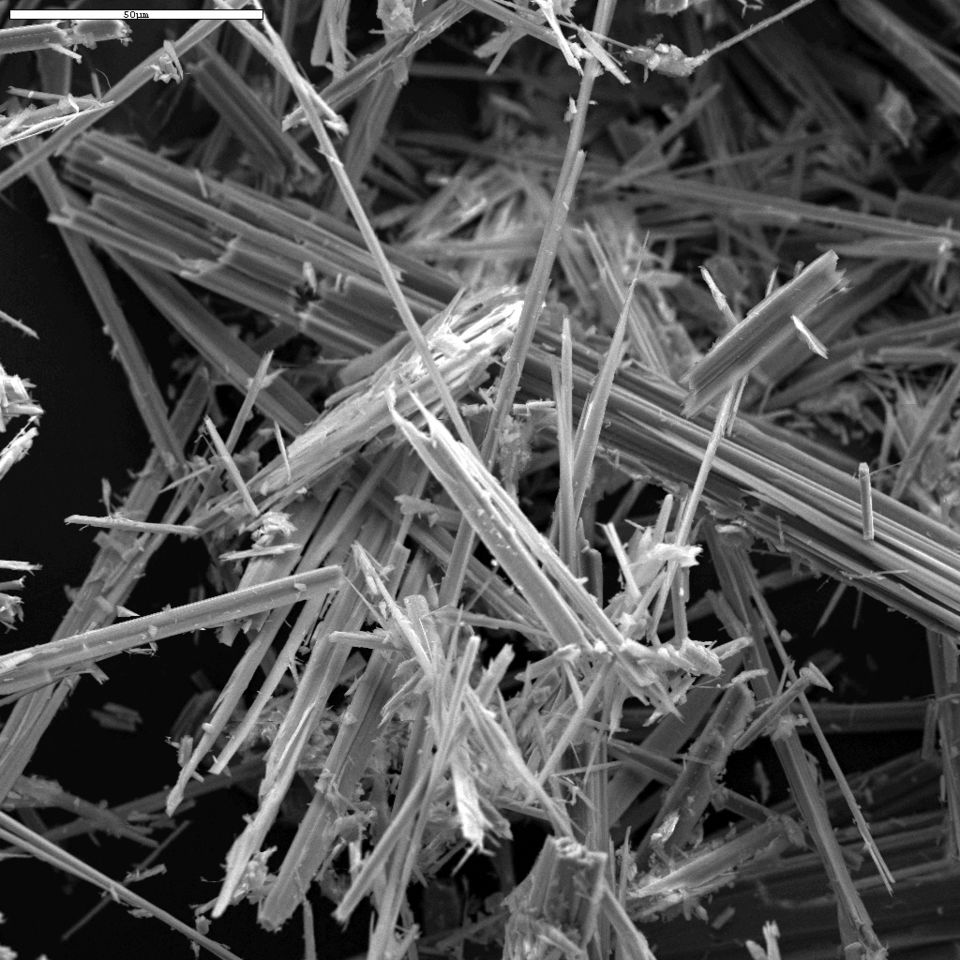
The risk isn't just that the material is present; it’s that disturbing it releases microscopic fibers into the air. Simple activities such as scraping an old adhesive or aggressively tearing up flooring can be extremely dangerous.
The Bottom Line: Prioritize Safety, Not Assumptions
Because the construction date provides zero certainty, the only way to manage asbestos risk is through environmental testing and safety-focused renovation.
When you hire a professional, you are not just buying a new kitchen or bathroom; you are investing in your family’s long-term health. A truly safety-conscious contractor understands the regulatory history, respects the necessity of professional testing, and adheres to strict safety protocols to ensure any potential ACM is managed properly.
Do not trust a contractor who tells you, "It's probably fine" or "Your house is too new."
For all your environmental testing, removal, and renovation needs, choose a partner whose philosophy is centered entirely on homeowner safety and health. We recommend working with Home Health Solutions. Their expertise in environmental assessment and safe, compliant renovation practices ensures that your project is built on the foundation of safety and peace of mind.
References
Corrosion Proof Fittings v. Environmental Protection Agency, 947 F.2d 1201 (5th Cir. 1991).
Eurofins US. (n.d.). The history of asbestos regulation in the U.S. Retrieved from
Occupational Safety and Health Administration (OSHA). (2025). Asbestos, 29 CFR § 1910.1001. U.S. Department of Labor.
U.S. Environmental Protection Agency (EPA). (1994, June 28). Technical amendment in response to court decision on asbestos: Manufacture, importation, processing, and distribution prohibitions; Technical amendment (59 FR 33208).
U.S. Environmental Protection Agency (EPA). (2024, March 18). Biden-Harris Administration finalizes ban on ongoing uses of asbestos to protect people from cancer [Press release].
U.S. Environmental Protection Agency (EPA). (2025). How EPA's asbestos regulations apply to floor tiles and mastic.